
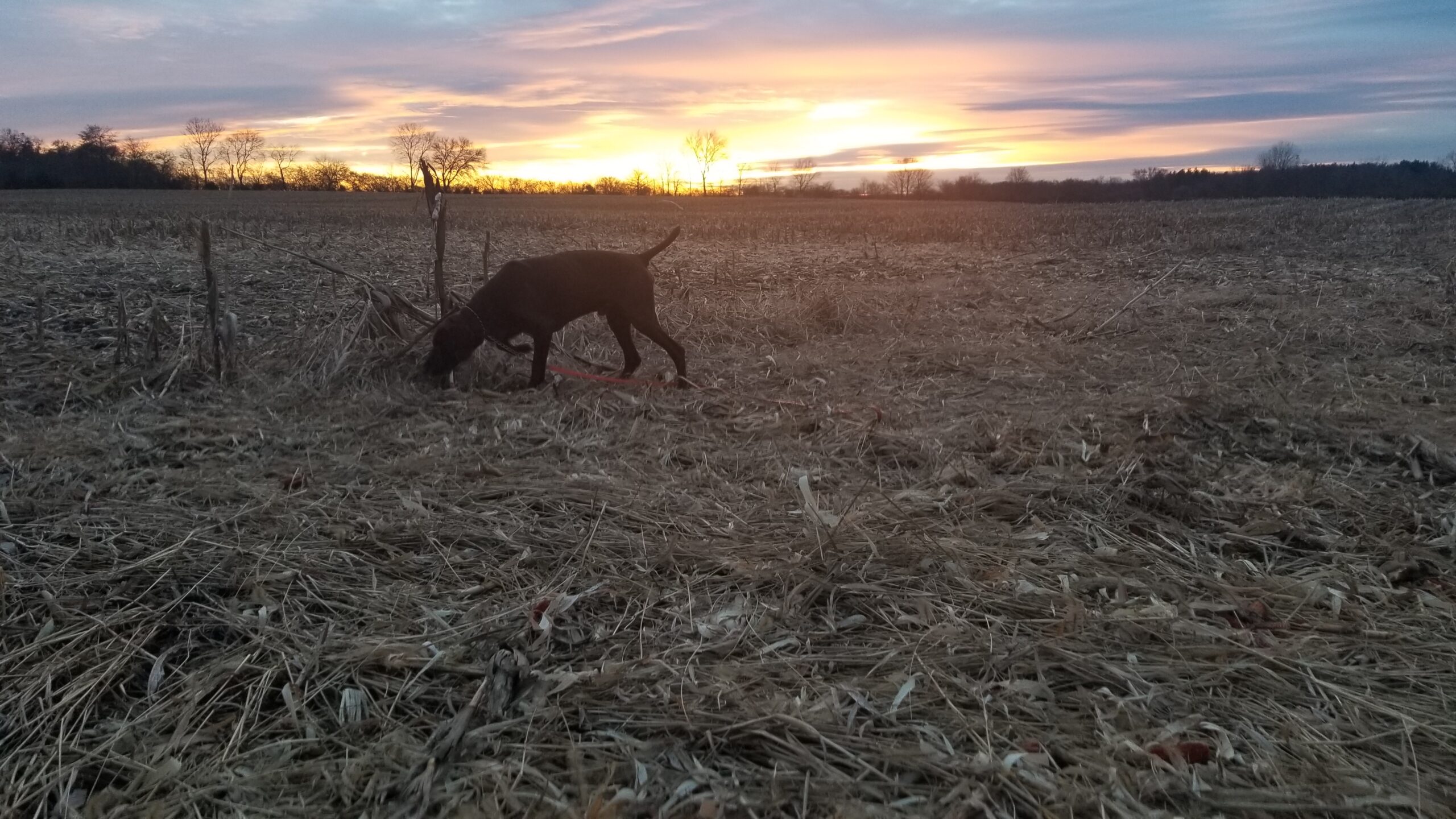
Recovery is Critical Part of Hunting
“The hunter does not hunt in order to kill; on the contrary, he kills in order to have hunted,” wrote José Ortega y Gasset in Meditations on Hunting. When hunters take to the field, the idea is to bring something home. The connections are deeper when you move past being just an observer.
Without the prospect of bringing something to bag, it’s just a walk. There’s nothing wrong with walks, and they have a lot of benefits, but it’s not the same as hunting. That also means hunters have an obligation to see the process all the way through.
In the real world, work begins after the shot. Ideally, that starts within eyesight and ends in the same place. But that’s not something you can count on. Whitetail deer will run until they can’t. Physics and momentum keep gamebirds in the air and moving after impact. Rabbits and other small game blend in with the ground patterns, especially when they’re not moving. That makes game recovery of paramount importance. It’s just as much part of the process as everything before the shot and ethical hunters’ responsibility.
Planning for recovery
General outdoor skills, dogs, and today, of course, technology, all play roles in ensuring that game makes it from the field to the table as humanely as possible.
Read the complete column here: The most important part of hunting happens after the shot
It’s the hunter’s responsibility to make sure that any game shot is taken from the field and accounted for, and that every effort is made to bring it to bag. That planning and thought process should happen before the hunter takes the field and a shot. And that “accounting for” should include that any animal not recovered is counted towards that bag limit, even if it doesn’t make it to the table. But that is the ultimate goal and reward. And to have hunted.
Resources
https://sportingclassicsdaily.com/jose-ortega-y-gassets-greatest-quotes-about-hunting/
Favorite Training Examples from Jurgen vom Stillwater
First Water Retrieve